




Build in frequent and consistent channels for feedback
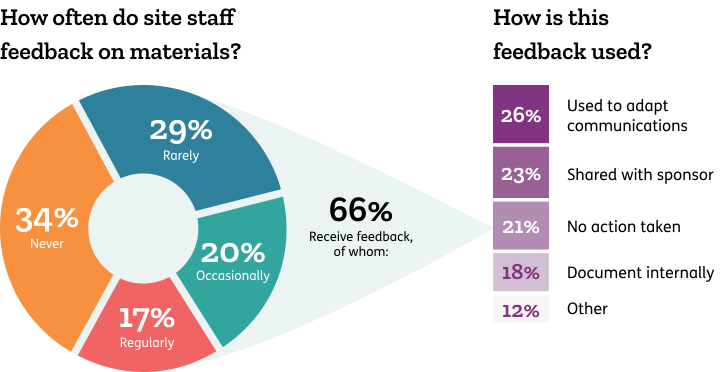
Who understands the trial experience better than the participants and site staff? However, across our research, approaches to gathering and implementing feedback in clinical trials appear fragmented, presenting opportunities for improvements.
Very few sites regularly collect participant feedback, and those who do, often do not have channels or resources to action it.
What site teams can do:
Keep nurturing two-way conversations, emphasising that you value participant perspectives. Make use of open questions wherever possible, for example:

What do you appreciate most during your visits to the study clinic?

What one thing could we change to make participation easier for you?
What information in your visit reminders can best help you prepare?
Wherever possible, keep a note of feedback gathered on an ad-hoc basis – it doesn't need to be a protocol-mandated step. But over time, anecdotal feedback can build into a strong evidence base for change.
Equally, very few site teams report having the opportunity to feed back their, and their participants' opinions on materials, directly to sponsors.
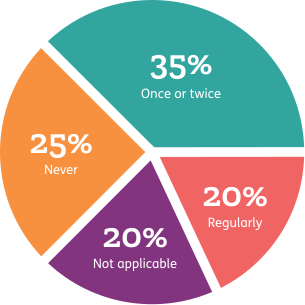
How often do sponsors ask sites for feedback on the materials they provide?
What sponsors can do:
Build consistent channels so site teams can share their feedback and feedback from participants. For example, it could be a simple online repository or email. Ensure you're acknowledging the feedback and demonstrating how you're using it to drive change.
